
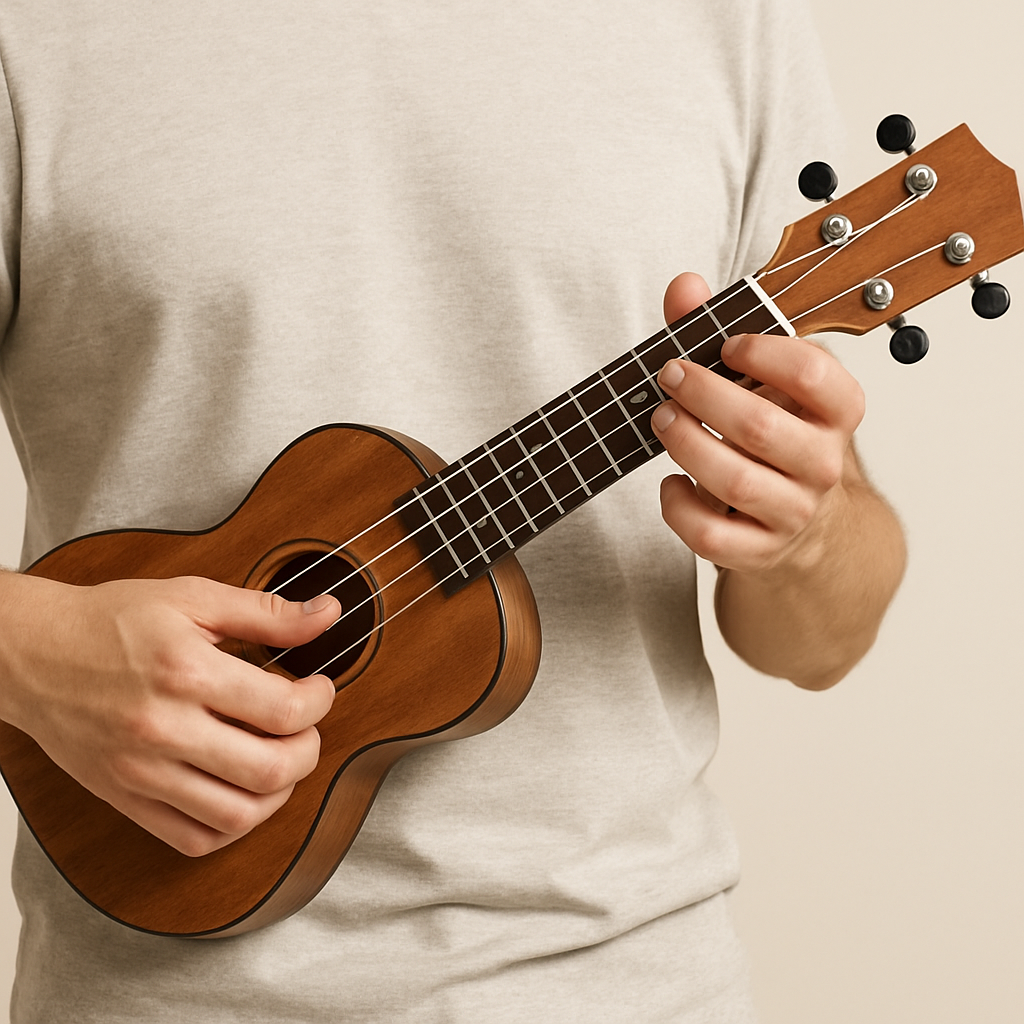
The Complete History of the Ukulele
The ukulele, a beloved small stringed instrument known for its cheerful tone and portability, has a rich and multifaceted history. This post explores its Portuguese roots, development in Hawaii, evolution across the globe, and modern-day resurgence.
Origins in Portugal
The ukulele traces its roots to small guitar-like instruments from Portugal—especially the braguinha (also called machete or cavaquinho) and the rajão. Portuguese immigrants brought these instruments to Hawaii in the late 19th century. Three Madeiran cabinet makers—Manuel Nunes, José do Espírito Santo, and Augusto Dias—are traditionally credited as the first ukulele makers in Hawaii. They arrived aboard the SS Ravenscrag in late August 1879 and soon began building instruments locally by 1888.
The Name “Ukulele” and Royal Endorsement
The Hawaiian name ‘ukulele is said to mean “jumping flea,” possibly referring to the quick movement of the player’s fingers. It may also honor Edward William Purvis, a courtier with small, fidgety hands.
King Kalākaua played a central role in popularizing the instrument—he invited musicians to perform at royal gatherings, helping the ukulele gain cultural prominence.
Early Spread: Hawaiian Boom & U.S. Mainland
The ukulele’s popularity surged during the early 20th century. At the Panama–Pacific International Exposition in San Francisco in 1915, Jonah Kumalae displayed his koa-wood ukuleles, earning a gold award and helping bring the instrument to nationwide attention. :contentReference[oaicite:4]{index=4}
During the Jazz Age, the ukulele’s simplicity and affordability made it wildly popular in vaudeville and among amateur musicians. Major instrument makers like Martin, Regal, and Harmony added ukulele lines to meet demand.
Iconic Makers & Innovation
In 1910, Samuel Kaialiilii Kamaka Sr. apprenticed under Manuel Nunes before founding Kamaka Ukulele and Guitar Works in 1916. He famously patented the “pineapple” ukulele design in 1928, notable for its mellow tone and distinct shape.
Global Expansion: Canada, Japan, the UK
In Canada, educator J. Chalmers Doane integrated the ukulele into school music programs in the 1960s, teaching thousands of students and inspiring the later “Ukulele in the Classroom” curriculum developed with James Hill in 2008.
Japan embraced the ukulele when Yukihiko Haida returned in 1929 with the instrument. He established the Moana Glee Club and later the Nihon Ukulele Association in 1959. Despite wartime bans, the ukulele thrived post-WWII.
In the UK, the banjolele (a ukulele–banjo hybrid) became popular through figures like George Formby and Tessie O’Shea. The Ukulele Orchestra of Great Britain, formed in 1985, helped spark a modern global revival of ensemble ukulele playing.
The Twentieth-Century Loop: Mid-Century, Revival & Modern Era
From the 1950s to the 1970s, personalities like Arthur Godfrey on TV, Marilyn Monroe in Some Like It Hot, and Tiny Tim brought the ukulele into pop culture.
Interest waned until the 1990s revival, partly driven by Jim Beloff’s publications and Israel Kamakawiwoʻole’s iconic “Over the Rainbow / What a Wonderful World” medley from 1993.
With the rise of YouTube, performances like Jake Shimabukuro’s rendition of “While My Guitar Gently Weeps” went viral and introduced a new generation to the uke.
Today, the ukulele is also widely used in music education, replacing the recorder in many classrooms, and in ensemble arrangements globally.
Variants, Sizes, and Construction
Sizes & Tunings
Common types include soprano, concert, tenor, and baritone; less common ones are sopranino (pocket), bass, and contrabass. Origins of these sizes span from the original soprano (standard) to recent innovations like bass (2010) and contrabass (2014).
Tunings vary: the classic C6 tuning (GCEA) with re-entrant high G; linear C6, D6 tuning (higher pitch), and Canadian tuning in schools; baritone tuning (DGBE, like guitar); bass ukes tuned like bass guitars.
Construction Materials & Models
Traditionally made of koa, ukuleles are now also crafted from mahogany, spruce, plywood, or even plastics. High-end models use solid tonewoods; budget versions use laminates.
Variants include resonator ukuleles (metal cones for volume), banjoleles, guitalele, lap-steel ukes, electric ukes, Tahitian carved models, and Motu Nui wah-wah variants.
Legacy & Education Today of the Ukulele History
The ukulele continues to endure thanks to festivals like the one launched by Roy Sakuma in 1971 in Honolulu, which ran annually for over 50 years and inspired many players—including YouTube star Jake Shimabukuro.
The continued global popularity of ensemble ukulele groups (inspired by the UK orchestra) and its educational use in schools worldwide affirm its lasting appeal.
External Resources & Further Reading
For more detail, check out the Wikipedia Ukulele article, the story on The Birth of the Ukulele, and the Met Museum’s entry on the braguinha introduction.
About Ukulele History on Minedit
This article is hosted on minedit.com, your go-to web education resource for music history and instruments.